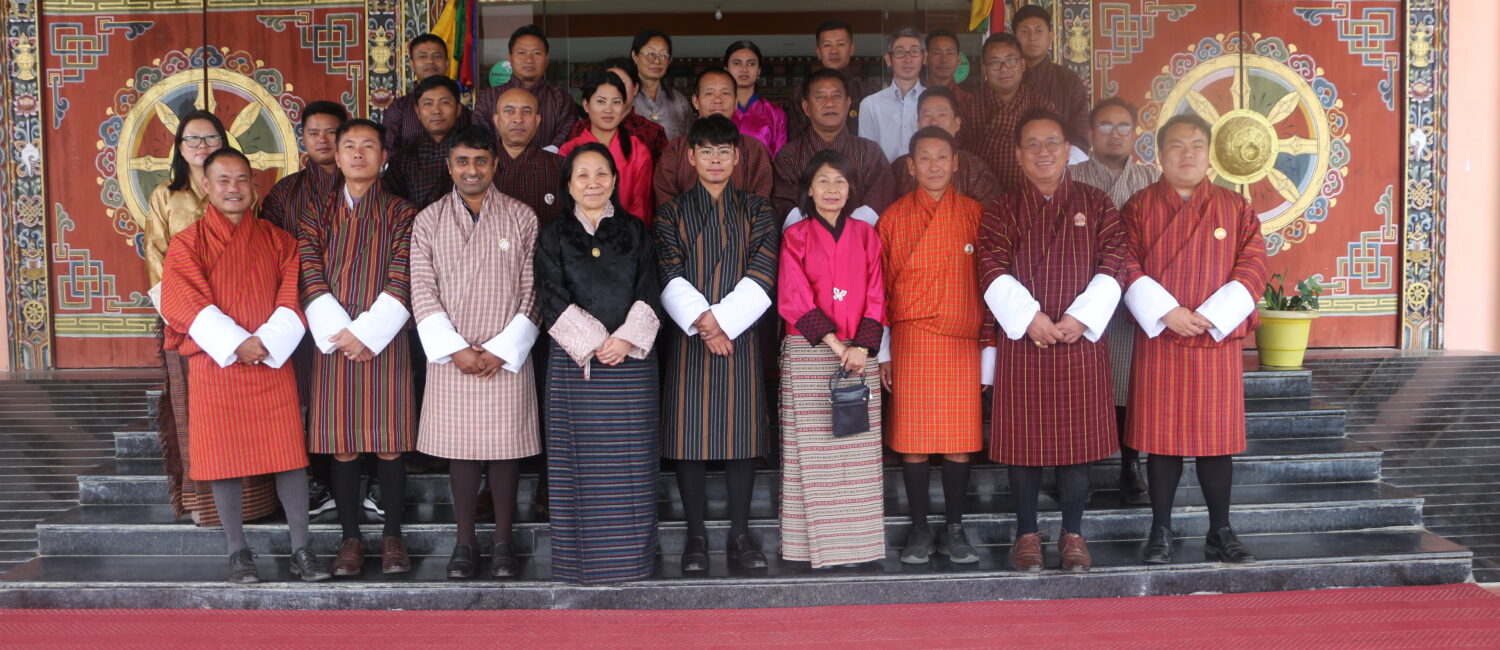
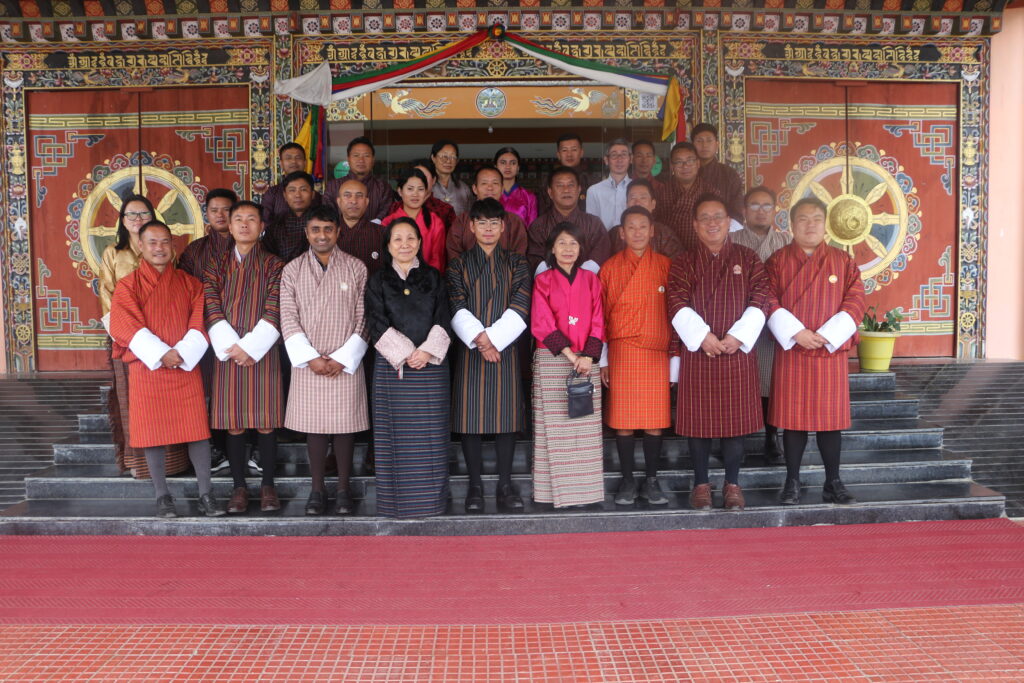
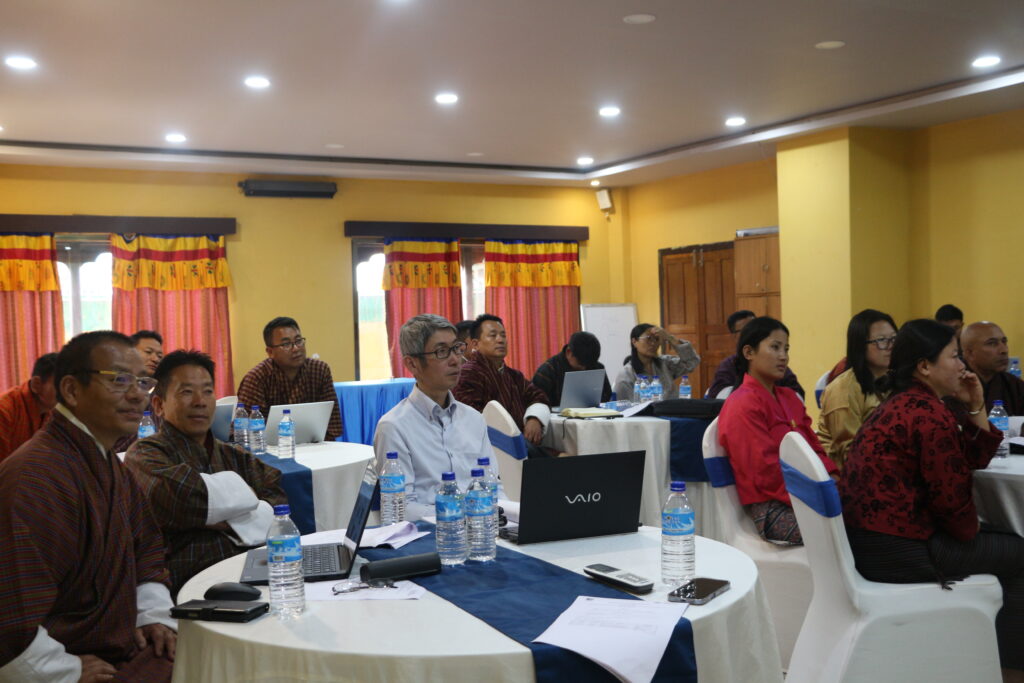
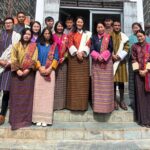
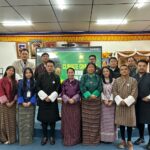
The National Biodiversity Centre under the Ministry of Agriculture and Livestock successfully organized the Annual Project Review and Planning Workshop for the project titled “Participatory On-farm Conservation and Sustainable Use of Native Horticulture Crop Diversity (NHCD)” from 25–26 May 2026 at Druk Deothjung Resort.
Supported by the Bhutan Trust Fund for Environmental Conservation, the two-day workshop brought together Agriculture Extension Officials, farmer representatives, researchers, and project partners from across the country to review implementation progress, identify challenges, and jointly plan activities for the project’s final implementation year (July 2026–June 2027).
The workshop was attended by representatives from project Gewogs including Mendrelgang, Langthel, Bongo, Bjoka, and Lumang, as well as researchers from ARDC Bajo, ARDSC Tsirang, ARDC Wengkhar, ARDSC Khangma, and the National Centre for Organic Agriculture (NCoA).
The workshop reviewed major achievements made during the current fiscal year, including germplasm collection missions, establishment of field genebanks, propagation and grafting activities, nutritional profiling of native crops, product development initiatives, and documentation of traditional knowledge and biodiversity data.
Participants also discussed strategies for strengthening conservation systems through field genebanks, in-vitro conservation, cryopreservation technologies, and Community Agro-biodiversity Registers (CARs).
A major focus of the workshop was planning for value addition and livelihood enhancement through product diversification and community-based enterprises. Proposed initiatives included pumpkin products at Lumang, cassava and yam products at Mendrelgang, and taro chips at Bjoka. Participants emphasized the importance of ensuring farmer ownership, sustainability, and market feasibility of proposed enterprises.
The workshop also highlighted the importance of awareness creation and youth engagement in biodiversity conservation. Plans were discussed for school awareness programs, development of educational materials, documentaries, digital media campaigns, and collaboration with educational institutions to integrate agrobiodiversity conservation into learning programs.
During the plenary session, participants recommended the adoption of uniform signboards for field genebanks, increased inclusion of native crop diversity from project Gewogs in conservation collections, and continued support for sustainability efforts through future project proposals and government.
The Program Director thanked all participants for their active contributions and reaffirmed that conservation of native crop diversity is a shared national responsibility. She encouraged continued collaboration among NBC, research centres, extension offices, and farming communities to ensure successful implementation and sustainability of the project beyond its completion.
The workshop concluded successfully with renewed commitment from all stakeholders toward conserving Bhutan’s rich native horticultural crop diversity and promoting sustainable utilization for food security, nutrition, climate resilience, and rural livelihoods.
 Views Last 7 days : 1849
 Views Last 30 days : 6529
 Total views : 69607