Trashigang, 22 May 2026: Bhutan is globally recognized for its pristine environment and rich biological diversity. This achievement reflects the farsighted vision and unwavering commitment of Their Majesties, whose leadership has enabled Bhutan to emerge as a global example in balancing socio-economic development with environmental conservation and sustainable management of the country’s natural resources.
Among the many components of biodiversity, agro-biodiversity or agricultural biodiversity holds particular significance for Bhutan. Bhutan’s agricultural landscape is characterized by a rich diversity of native and traditional crop varieties that have been nurtured and conserved by farming communities over generations. The agro-biodiversity plays a vital role in ensuring seed security, food and nutrition security, climate change adaptation, ecological sustainability, economic resilience, ecotourism, cultural and religious practices, and the agricultural sovereignty of the country.
Traditional crop varieties are often more resilient to harsh climatic conditions, drought, pests, and diseases. Conserving these crops therefore contributes directly to climate change adaptation and enhances the resilience of local farming systems and rural livelihoods.
However, Bhutan’s rich agro-biodiversity is increasingly under threat due to changing food preferences, climate change, modernization, land-use changes, and the gradual replacement of traditional crop varieties with improved and commercial varieties. As a result, many native crop varieties are disappearing. Just as preserving our traditions and cultural heritage is a national responsibility, conserving and promoting our native crops and traditional farming knowledge is equally important for the well-being of present and future generations.
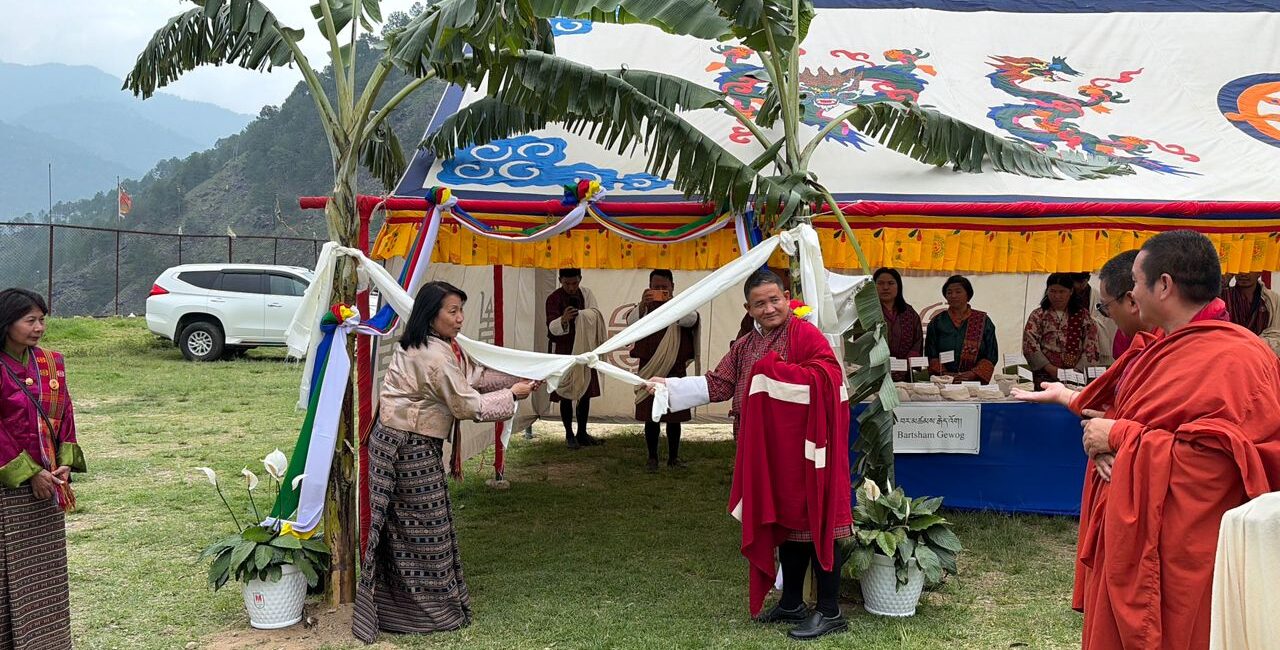
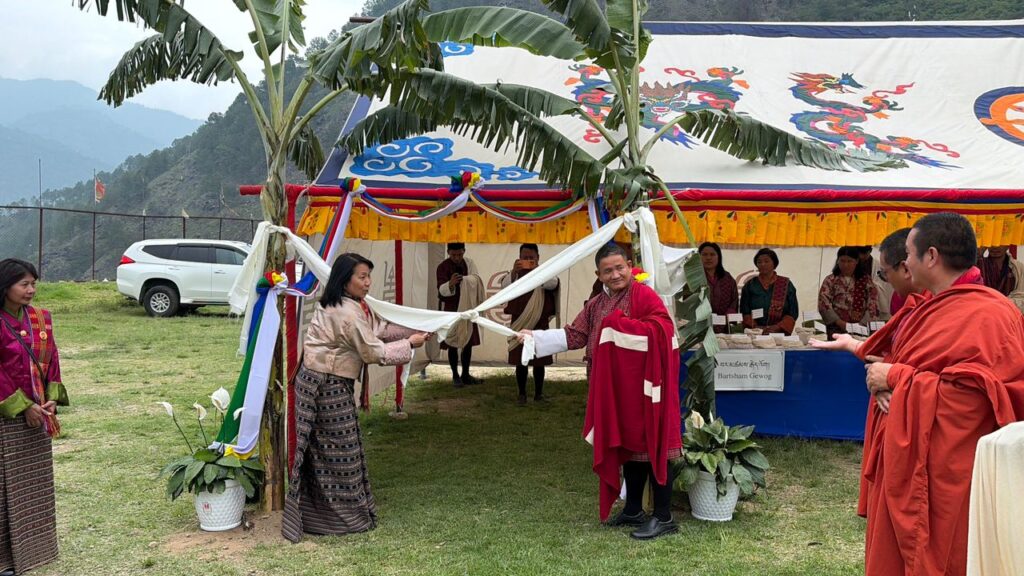
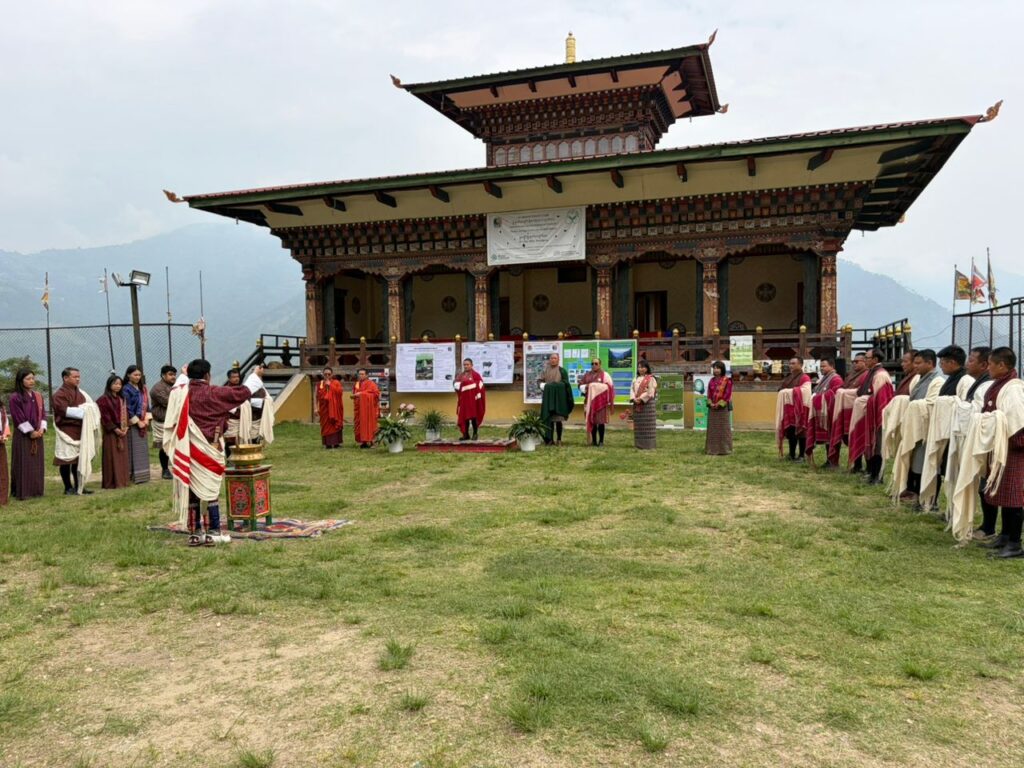
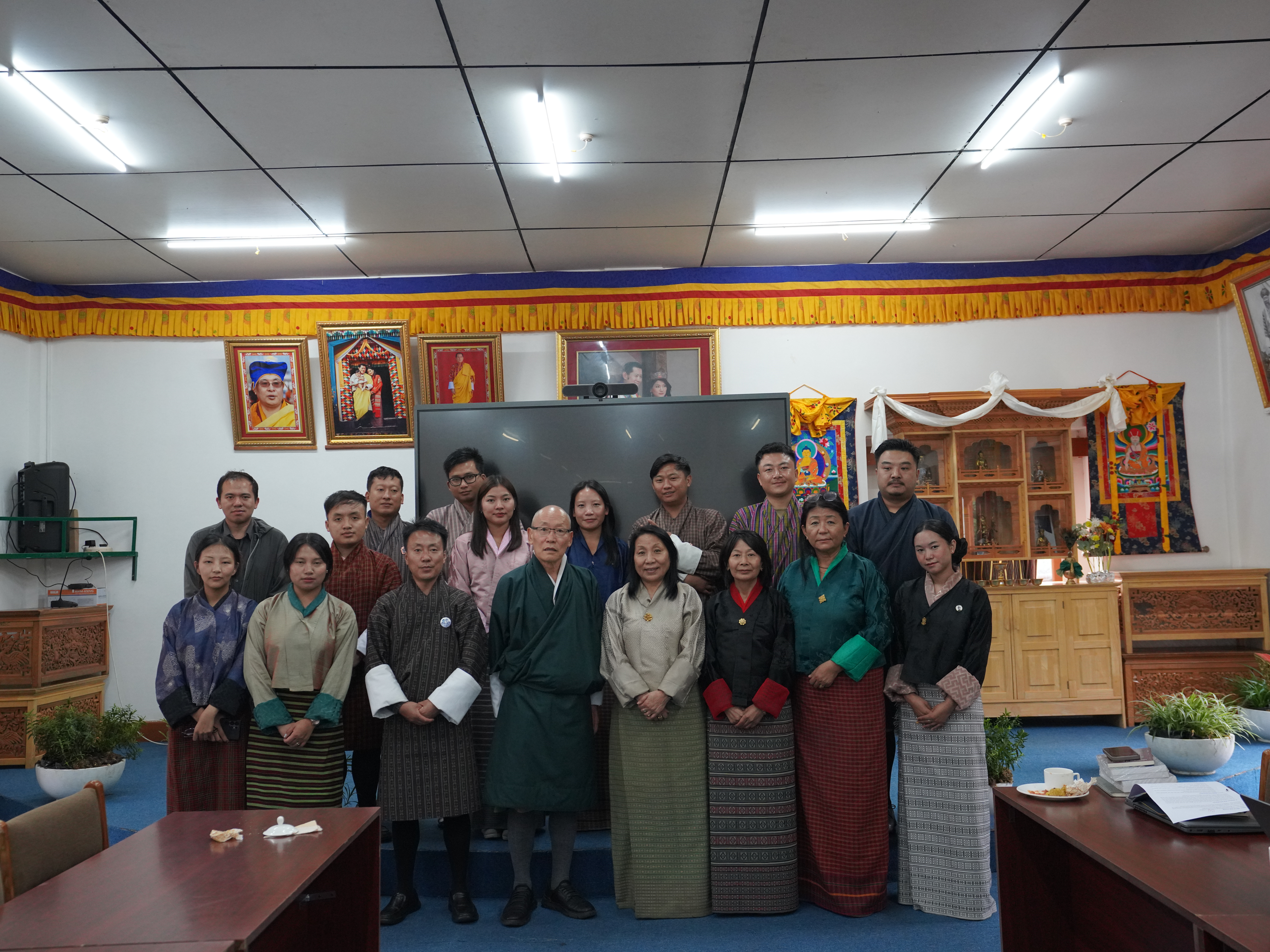
In this regard, the 11th Biodiversity Fair was jointly organized by the Trashigang Dzongkhag Administration and the National Biodiversity Centre in conjunction with the celebration of the International Day for Biological Diversity on 22 May 2026 at Trashigang.
A rich diversity of native crops and traditional crop varieties that continue to be cultivated and conserved by local farming communities from all 15 gewogs of Trashigang Dzongkhag, BTFEC project Gewogs like Bjoka in Zhemgang, Bongo in Chhukha, Mendrelgang in Tsirang, and Langthel in Trongsa Dzongkhag, Community Seed Banks (CSBs) from Phuntshothang, Gomdar, SJI, and Bumthang. Other communication materials from NBC were also displayed. Agriculture Research and Development Centres (ARDCs), including ARDSC Tsirang, ARDC Bajo, ARDC Wengkhar, ARDSC Khangma, and the National Centre for Organic Agriculture (NCOA), also participated and showcased newly released crop varieties and innovative agricultural technologies, including an automated drip irrigation system, thereby providing farmers with exposure to improved technologies and climate-resilient agricultural practices.
All the Heads and representatives of Trashigang Dzongkhag Administration Officials participated in the Fair. The fair also attracted significant participation from educational institutions where a total of 50 teachers and 549 students visited the exhibition stalls, enhancing their understanding and appreciation of biodiversity, agro-biodiversity conservation, and sustainable agriculture.
The exhibition of agro-biodiversity served as an important platform for awareness creation and knowledge sharing among farmers, researchers, students, and the general public. It highlighted the need to conserve, maintain, sustainably utilize, and pass on valuable agro-biodiversity and associated traditional knowledge from one generation to another.
The agro-biodiversity displays were evaluated based on the following criteria:
- Species and varietal diversity;
- Unique crop varieties; and
- Rare crop and crop varieties.
In terms of species and varietal diversity, Gomdar, Phongmey, and Mendrelgang displayed the maximum diversity. For rare crop varieties, Phuntshothang, Kangpar, and Yangnyer showcased rare collections. Meanwhile, Lumang, Udzorong, Sakteng, and Thrimshing displayed exceptional unique crop varieties.
Certificates of Recognition were awarded to the winners by Dasho Dzongdag and the Program Director. Furthermore, all participating custodian farmers were acknowledged and appreciated for their invaluable contributions toward conserving Bhutan’s precious agro-biodiversity for sustainable utilization by both present and future generations.
Additionally, native crop varieties that are still being cultivated by farmers but have not yet been conserved in the National Genebank were identified, tagged, and collected for long-term conservation and sustainable utilization. The results of the successful winners for Wild Bhutan Challenge 2026 was also announced during the fair. The challenge was conducted to promote biodiversity documentation and citizen science participating across Bhutan the Bhutan Biodiversity Portal.
Outcome of the 11th Biodiversity Fair
The major outcomes of the fair were:
- Showcased the vibrant agro-biodiversity cultivated, conserved, and sustainably utilized by the farmers of 15 Gewogs of Trashigang, Langthel (Trongsa), Bongo (Chukha), Mendrelgang (Tsirang) and Bjoka (Zhemgang)
- Created awareness on the importance of agro-biodiversity conservation to the stakeholders across all levels including school children
- Celebrated rich biodiversity and agro-biodiversity;
- Provided “Certificate of Recognition” to farmers for their efforts in conserving crop diversity for sustainable utilization;
- Promoted seed exchange and the sharing of traditional knowledge among farming communities;
- Collected germplasm samples of native crop diversity for long-term conservation in the National Plant Genebank for present and future generations;
The 11th Biodiversity Fair was funded by the BTFEC.


 Views Last 7 days : 1777
 Views Last 30 days : 6128
 Total views : 64855